
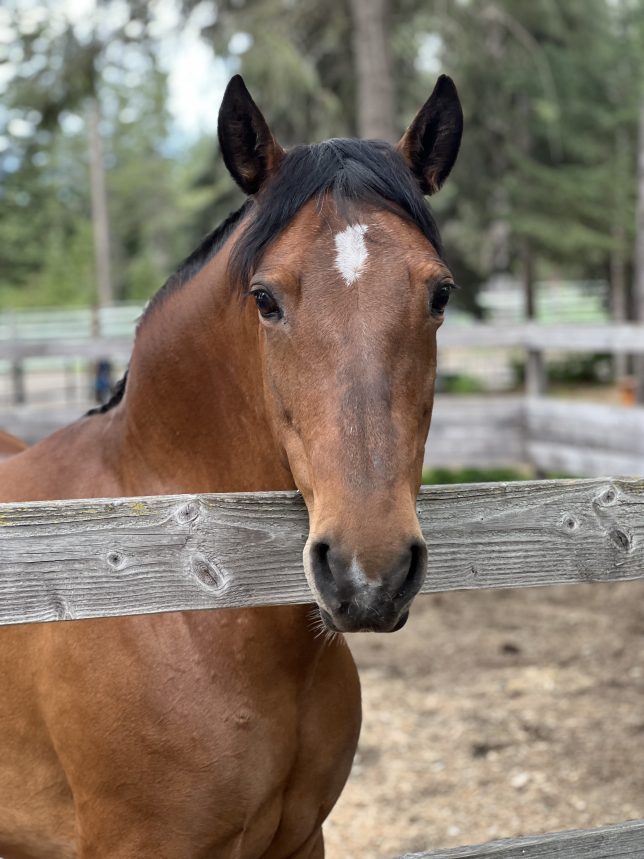
Why Horses Are Used in Equine-Assisted Psychotherapy and Holistic Healing
An Evidence-Based Perspective
Horses are incorporated into equine-assisted psychotherapy (EAP) and equine-assisted holistic healing due to their unique neurobiological, relational, and experiential qualities that support emotional regulation, self-awareness, and therapeutic engagement.
1. Horses Support Nervous System Regulation
Research in trauma-informed care emphasizes the importance of bottom-up, somatic interventions that engage the nervous system rather than relying solely on verbal processing. Horses are highly sensitive to human body language, emotional states, and physiological cues. This sensitivity provides immediate, nonverbal feedback that helps individuals become aware of their internal states and practice regulation in real time.
Interaction with calm, attuned animals has been shown to reduce physiological markers of stress, including heart rate and cortisol levels, supporting parasympathetic nervous system activation and emotional regulation.
2. Experiential Learning Enhances Therapeutic Outcomes
Experiential therapies are supported by evidence demonstrating that learning through direct experience can increase insight, retention, and emotional processing. Working with horses allows clients to externalize internal experiences—such as boundaries, trust, control, or avoidance—into observable interactions.
This experiential process can be especially beneficial for individuals who struggle with traditional talk therapy, including those with trauma histories, children, adolescents, and individuals with difficulty verbalizing emotions.
3. Horses Facilitate Authentic Relational Feedback
Horses are prey animals and naturally attuned to safety, intention, and congruence. They respond to human behavior without judgment, expectation, or social agenda. This creates an environment where relational patterns—such as communication style, emotional presence, and boundary setting—emerge organically.
This immediate feedback allows therapists and facilitators to observe patterns in real time and support clients in developing healthier relational behaviors.
4. Engagement With Horses Increases Motivation and Therapeutic Alliance
Studies indicate that incorporating animals into therapeutic settings can increase client engagement, motivation, and openness to the therapeutic process. The novelty and relational nature of equine-assisted work can reduce resistance and defensiveness, strengthening the therapeutic alliance—one of the most robust predictors of positive therapeutic outcomes.
5. Nature-Based Settings Support Psychological Well-Being
Equine-assisted services occur in outdoor, nature-based environments, which are associated with reduced stress, improved mood, and enhanced emotional well-being. Exposure to natural settings has been shown to positively impact mental health by promoting grounding, mindfulness, and emotional restoration.
6. Application to Equine-Assisted Holistic Healing
In holistic healing contexts, horses are used to support overall wellness by fostering mindfulness, somatic awareness, and emotional presence. While holistic services are not psychotherapy, they are informed by research on human–animal interaction, somatic regulation, and mind–body integration.
The horse’s attunement, combined with intentional facilitation, creates opportunities for reflection, grounding, and inner alignment that support whole-person wellness.
Evidence Summary
Research on equine-assisted interventions indicates potential benefits including:
- Improved emotional regulation
- Reduced stress and anxiety
- Increased self-awareness
- Enhanced social and relational functioning
- Greater engagement in therapeutic processes
While research in equine-assisted psychotherapy is still emerging, existing studies support its use as a complementary, experiential approach within ethical, trauma-informed frameworks when facilitated by trained professionals.
Clinically Responsible Language
Equine-assisted psychotherapy and holistic healing do not claim that horses themselves provide treatment. Rather, horses are incorporated as experiential partners within structured, professionally guided services that support therapeutic or wellness goals.
